From Tuscan terraces to the Ligurian seaside, lesser-known Italian gardens offer ideas and inspiration to take home
Photos by Brad Mee
Many garden-loving travelers like me naturally build Italian itineraries around the icons: the sculpted drama of Florence’s Boboli Gardens, the theatrical fountains of Tivoli, the lakeside elegance of Villa d’Este. These are landmarks of landscape design—Italy’s greatest hits—and they deserve every accolade. Yet Italy also harbors smaller, undersung gardens that feel like invitations for those willing to wander off the beaten path. Historic and esteemed, yet often overlooked by the crowds, they reward curiosity with unexpected delights. In these quiet corners, the landscape sets its own gentle rhythm, giving you time to explore, notice details and savor its subtle choreography—as if the garden itself leans in to whisper, “look, linger and learn.”
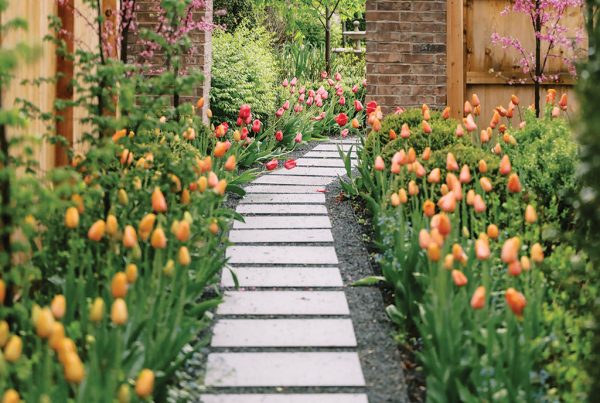
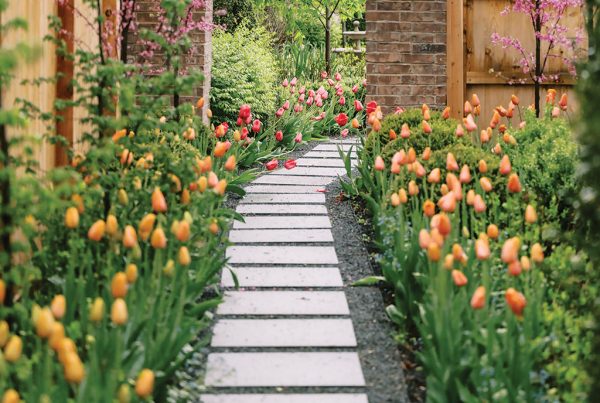
I recently visited three such gardens that left me spellbound—two in Tuscany and a third overlooking the Italian Riviera in Liguria. Smaller in scale than the famous estates, each felt distinct, designed to be explored rather than simply admired. Terraces tumble down sun-dappled hillsides, walls frame intimate corners and every path invites an observer’s pace. The pleasure was in the details. I traced a stair worn smooth by centuries of footsteps, paused beneath a pergola casting patterned shade and marveled at citrus trees trained against sun-warmed walls. Views revealed themselves gradually, and outdoor spaces unfolded like rooms crafted for discovery. And the best part? Their lessons travel beautifully. Back home in Utah, a wall can become both boundary and backdrop. A terrace can capture light and breeze. A small courtyard can feel expansive if it’s carefully composed. I carried these ideas home with me—proof that the most memorable gardens aren’t always the most famous. They’re the ones that truly inspire.
Villa della Pergola
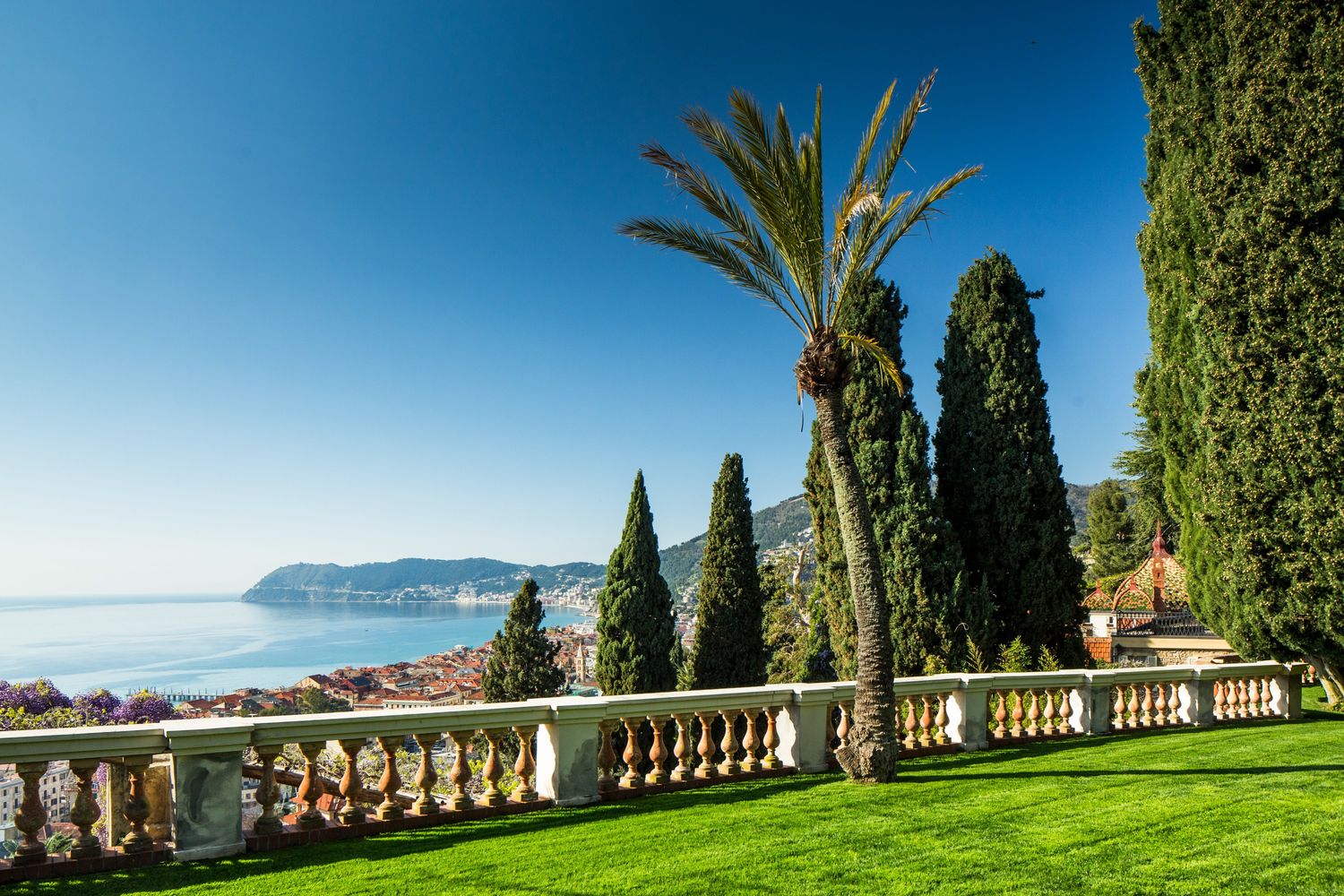
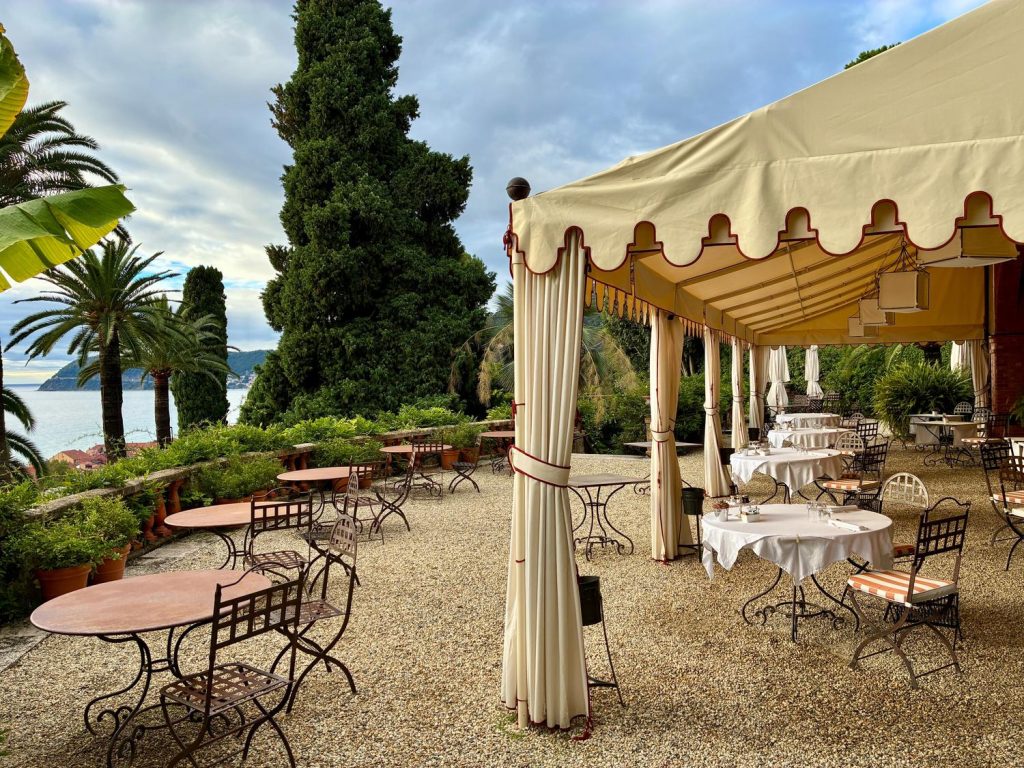
The walk or drive from Alassio’s small train station is a steady climb up winding roads, anticipation building with each turn. Beyond the gates of Villa della Pergola, the world shifts: a late-19th-century estate suspended between sky and sea, where terraces tumble toward the sparkling Ligurian coastline. Set on more than five acres of landscaped parkland, the villa’s gardens feature terraces, sculptural palms and rare botanical collections, all framing sweeping views over the coast. The estate traces back to Scottish engineer Sir Thomas Hanbury, whose vision shaped this refined stretch of the Riviera. In spring, wisteria drapes across pergolas like lavender clouds; in autumn, golden light softens terracotta rooftops and the sea beyond. Everywhere you look, the gardens invite lingering glances and slow exploration.
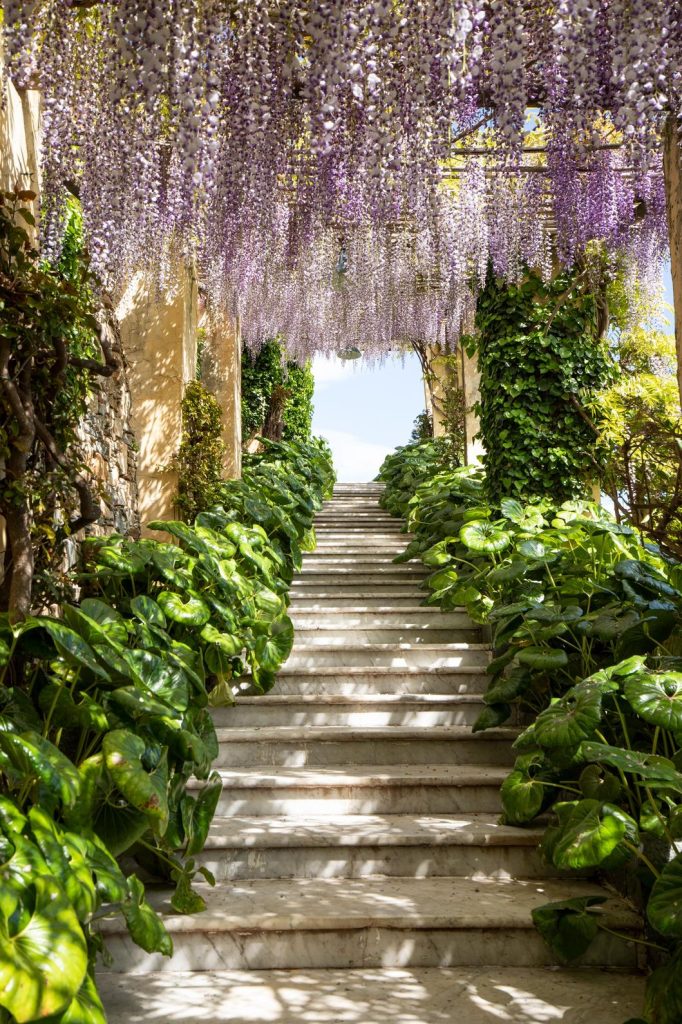
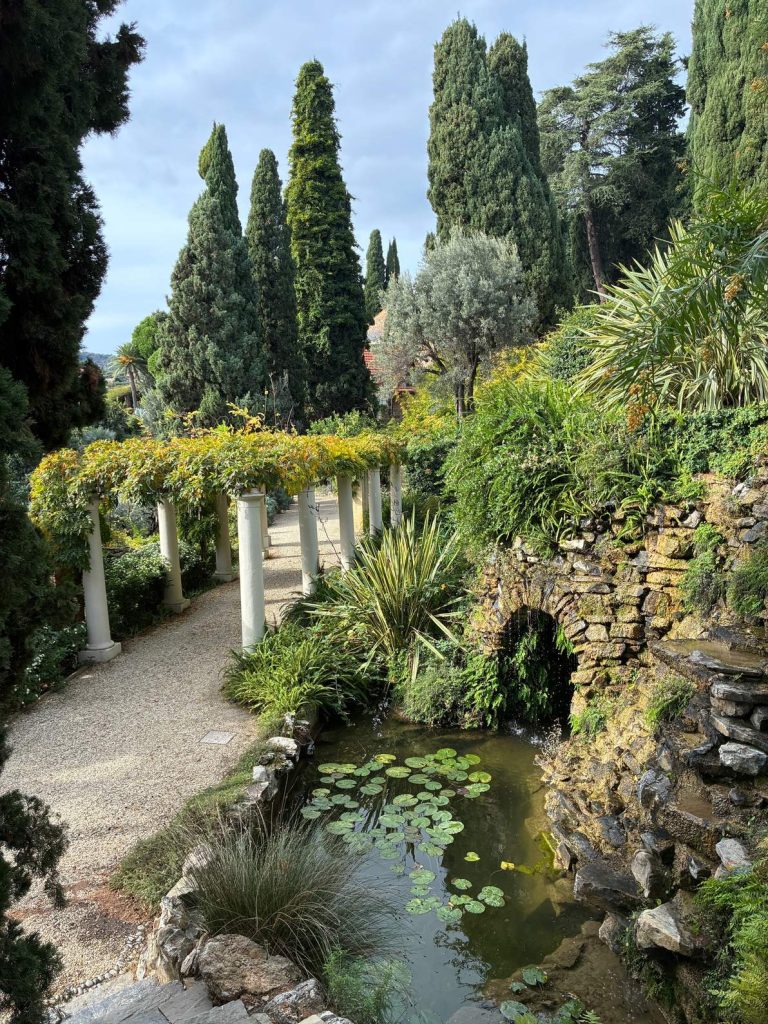
A day at Villa della Pergola unfolds in leisurely rhythms. Mornings begin with espresso and pastries on a terrace scented with citrus and rosemary, followed by wandering the property and gardens. By midday, the infinity pool beckons, sparkling under the Ligurian sun. Later, one might stroll into Alassio for a seaside dinner or return to the villa for an elegant evening at Michelin-starred Restaurant Nove, where menus celebrate local produce from the estate’s Orto Rampante. Paths wind past layered foliage, shaded pools and sudden flashes of blue sea. The gardens are intoxicating, and even non-guests of this Relais & Châteaux property can experience their rare botanical treasures through guided visits that preserve the villa’s serene, exploratory atmosphere.
villadellapergola.com · giardinidivilladellapergola.com
Lessons Learned:
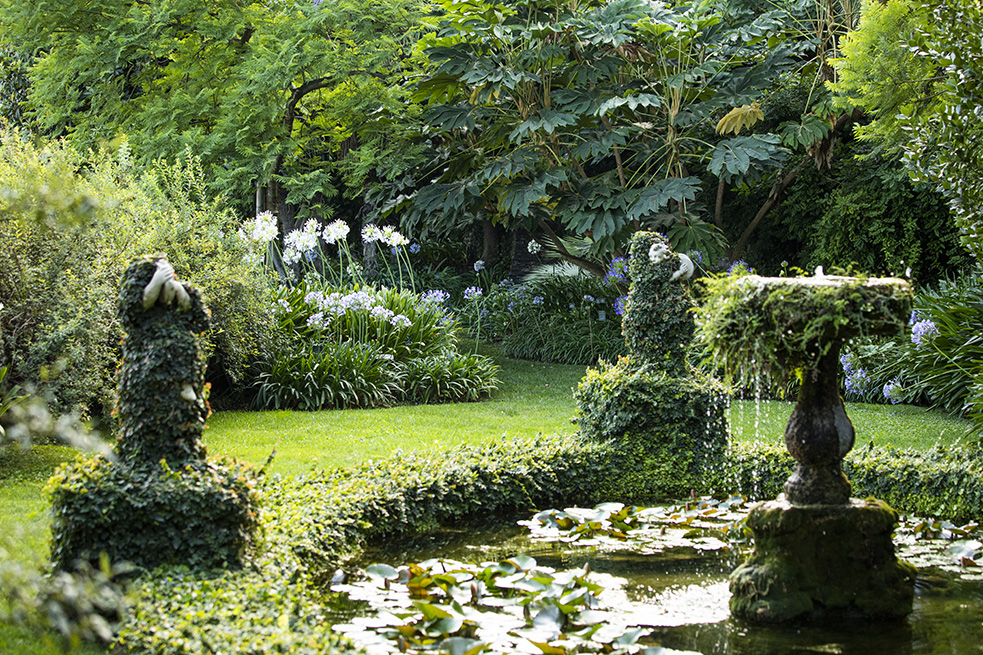
- Celebrate seasonal stars: Spectacular displays of wisteria and agapanthus are planted throughout to herald the seasons and draw visitors to the garden.
- Follow the light: Sun, slopes and microclimates shape the garden’s natural rhythm and highlight its best features.
- Frame and linger: Paths, pergolas and garden structures guide movement, frame captivating views and create inviting spots to sit and savor the scenery.
Villa Reale di Marlia
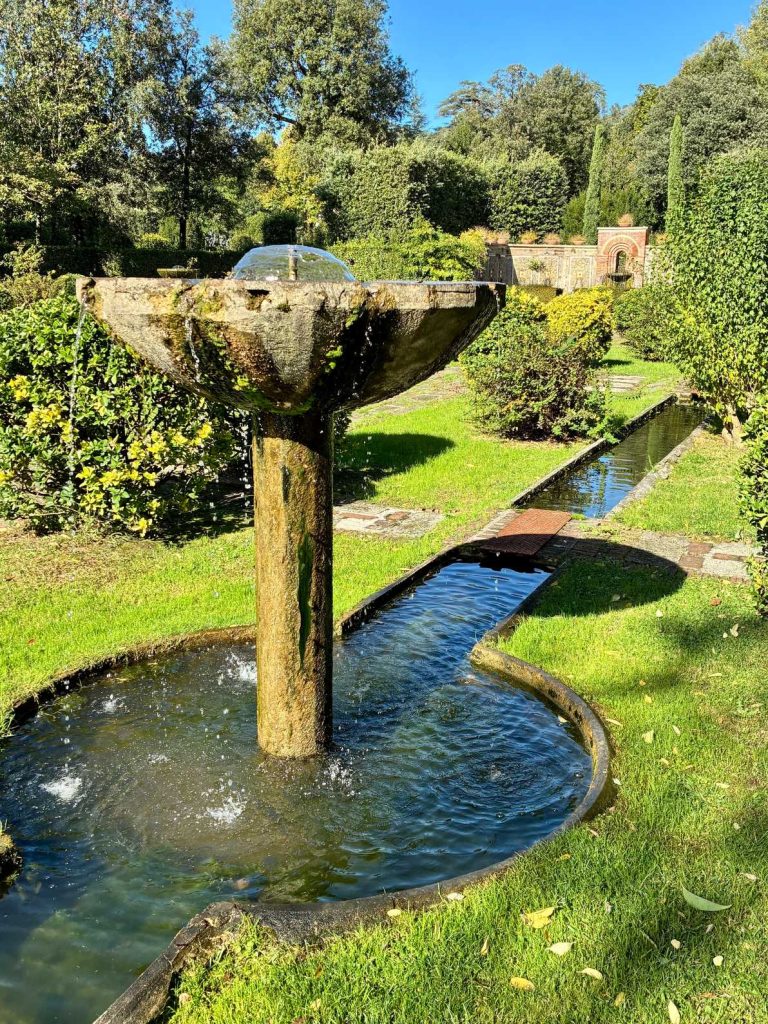
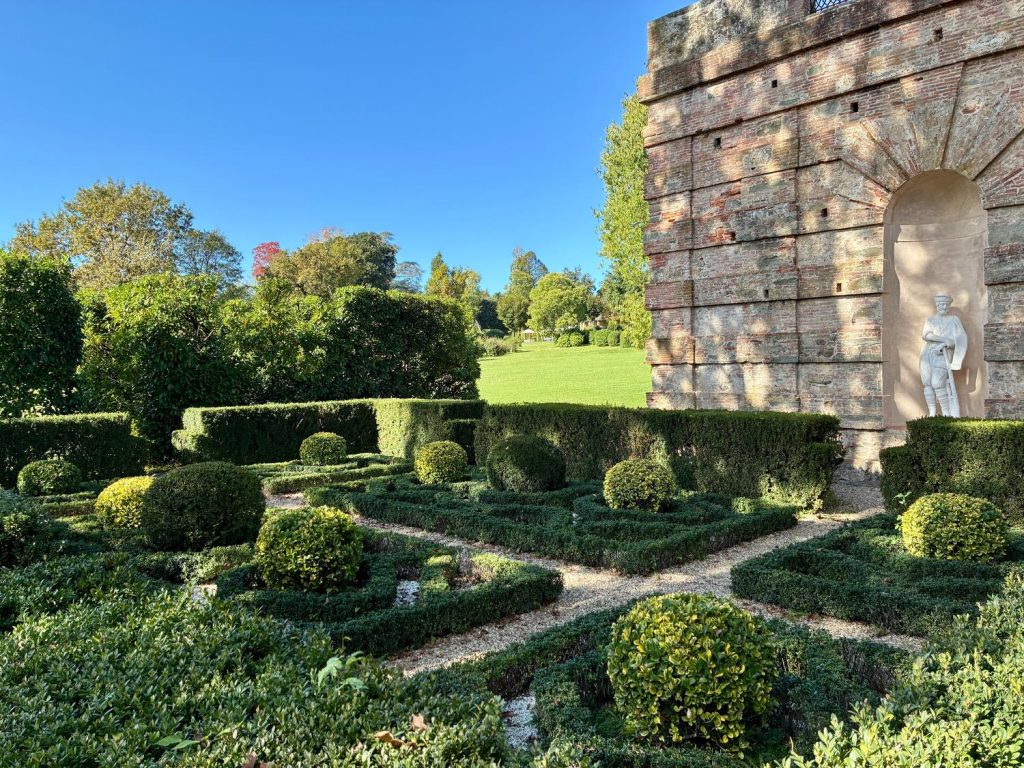
A short drive north from Lucca—or a leisurely bicycle ride along a scenic river path—leads to the park-like gardens of Villa Reale di Marlia, a 40-acre estate that feels like a secret world waiting to be discovered. Ancient cypress and chestnut trees shade meandering paths, guiding you past classical statues, reflective ponds and hidden nooks where camellias bloom in spring. The villa’s palazzo, once home to Napoleon’s sister Elisa Bonaparte Baciocchi, exudes grandeur, but it’s the gardens that steal the show. Terraces rise and fall, sometimes geometrically precise, sometimes delightfully romantic. Natural elements are punctuated by statuary, fountains, grottoes, belvederes and the villa’s own chapel. A charming café, set in a restored neoclassical pavilion, offers shade, light meals and a spot from which to relish the sweeping gardens.
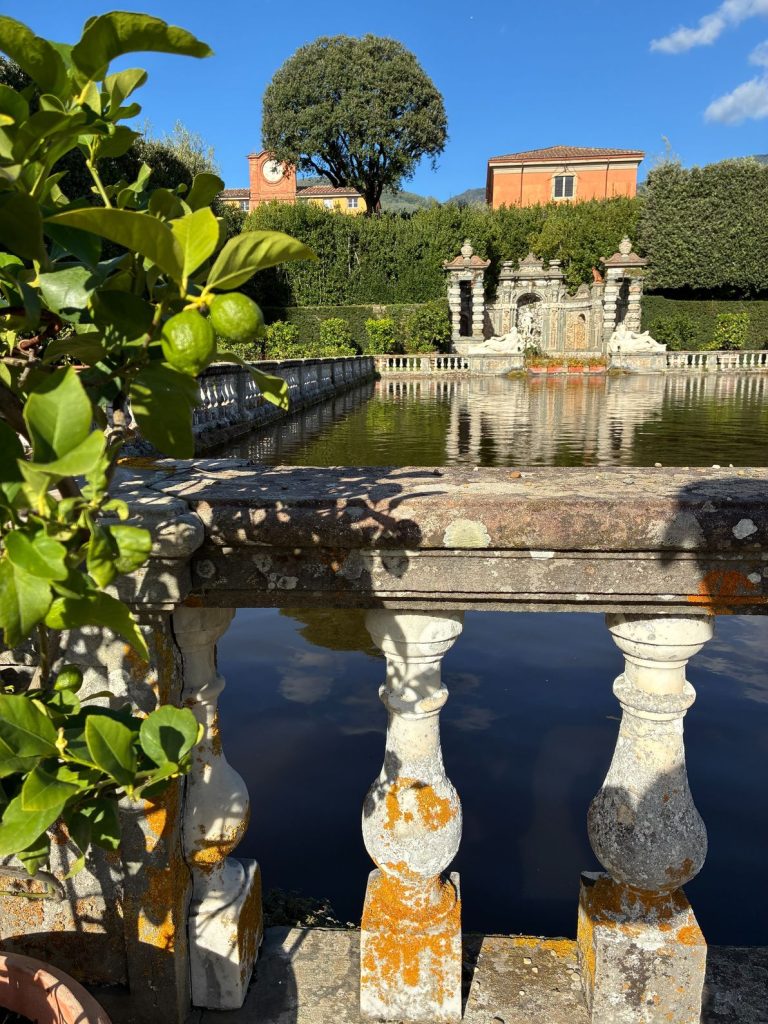
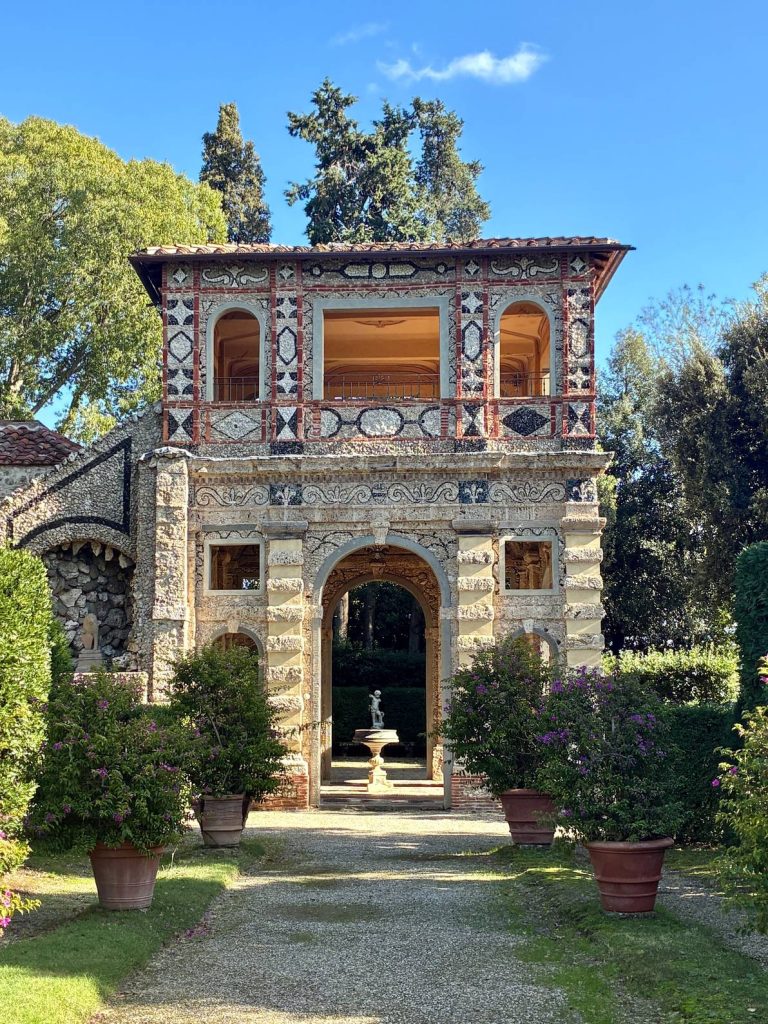
Every turn invites discovery: a sun-dappled walkway, a quiet nymphaeum or a reflective pond mirroring the villa. The interplay of architecture and landscape gives the gardens depth and personality, so that wandering feels like uncovering a centuries-old secret. Unlike more visited Tuscan estates, Marlia encourages slow exploration. Each path, terrace and fountain seems designed to surprise—and to leave you with the sense that you’ve discovered something truly regal.
villarealedimarlia.it/en/explore/
Lessons Learned:
- Anchor with architecture: Follies and garden buildings serve as focal points, pulling visitors through the landscape from one unfolding moment to the next.
- Celebrate water: Fountains, reflecting pools and canals provide movement, sound and focal points throughout the gardens.
- Pair symmetry with surprise: Formal axes and mirrored layouts establish elegance and order, softened by natural forms that invite exploration.
Villa e Giardino Bardini
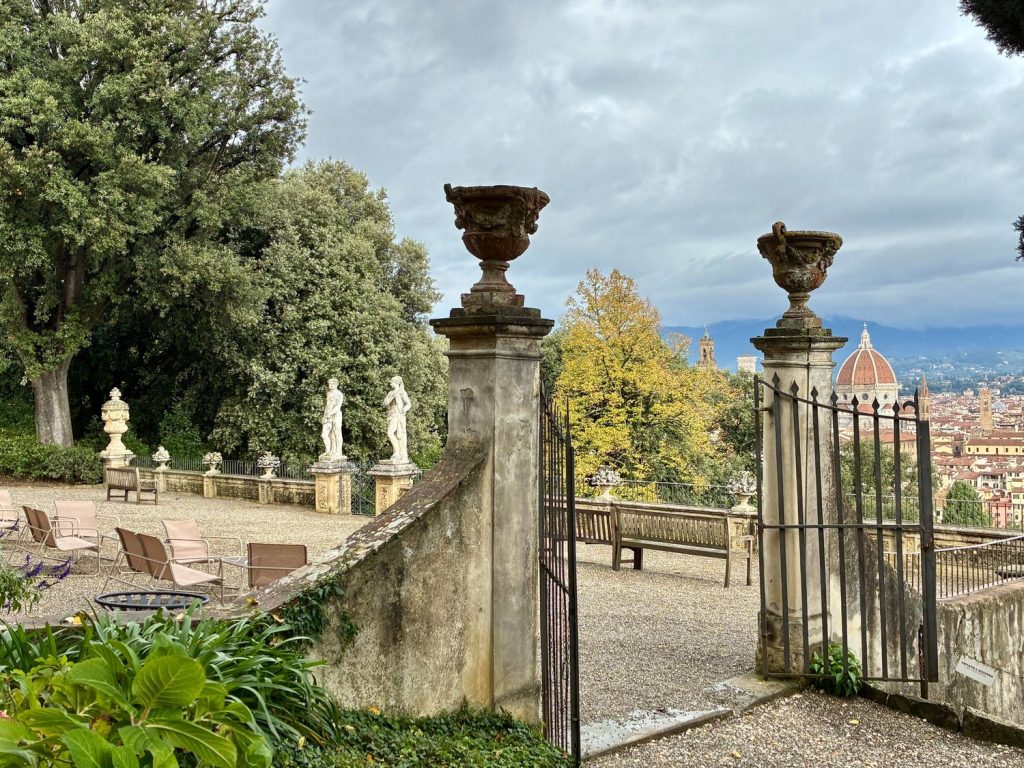
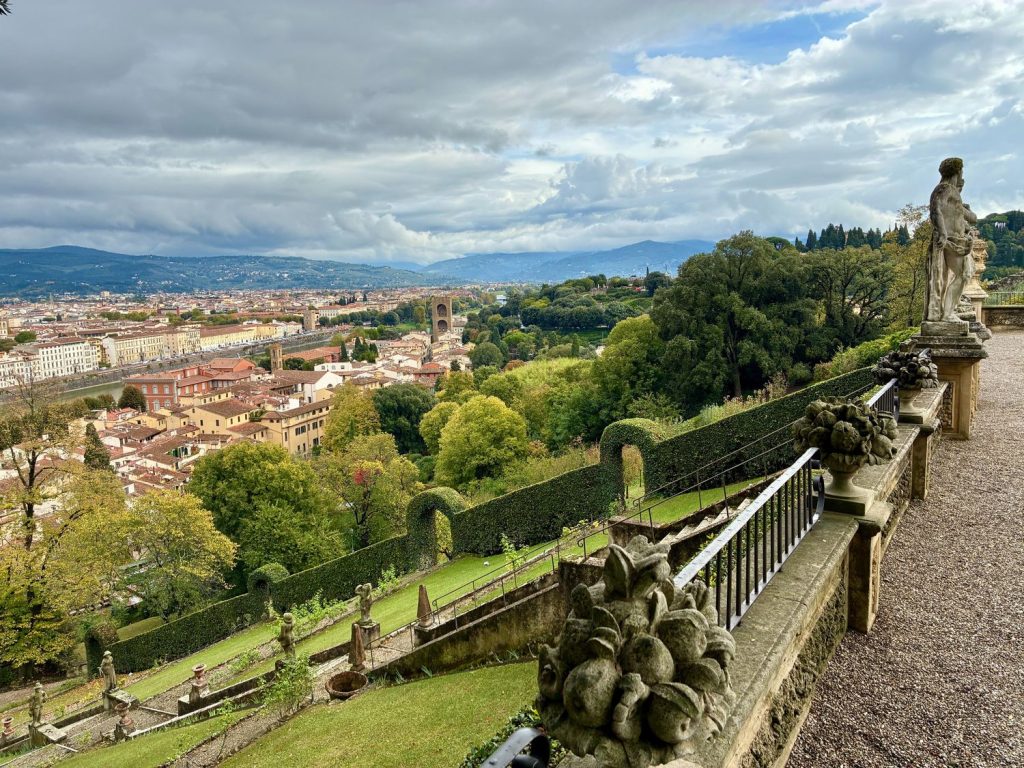
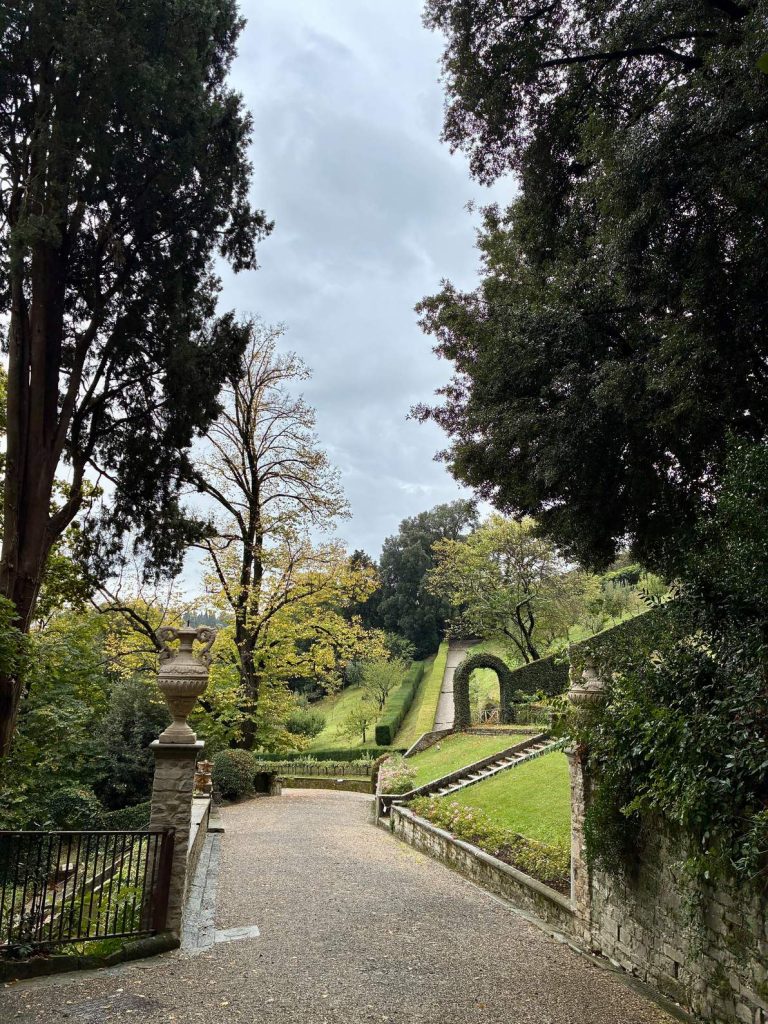
Everyone goes to the Boboli Gardens when visiting Florence, but just beyond them—literally over the wall to the east—another, more intimate world unfolds. Villa e Giardino Bardini climbs the Oltrarno hillside, its terraced gardens stepping gently upward toward some of the city’s most memorable views. Reaching the villa is a short pilgrimage out of Florence’s tourist center: a gentle walk up narrow, cobbled streets, past Renaissance residences whose quiet façades occasionally reveal glimpses of private gardens. Inside Bardini, footpaths wind past pergolas, stone staircases and shaded groves. Then suddenly, the city appears below—the Duomo floating above rooftops, the Arno unspooling westward and the Tuscan hills dissolving into the hazy distance. A quaint café on a shaded terrace invites a pause for espresso or a light meal with a view.

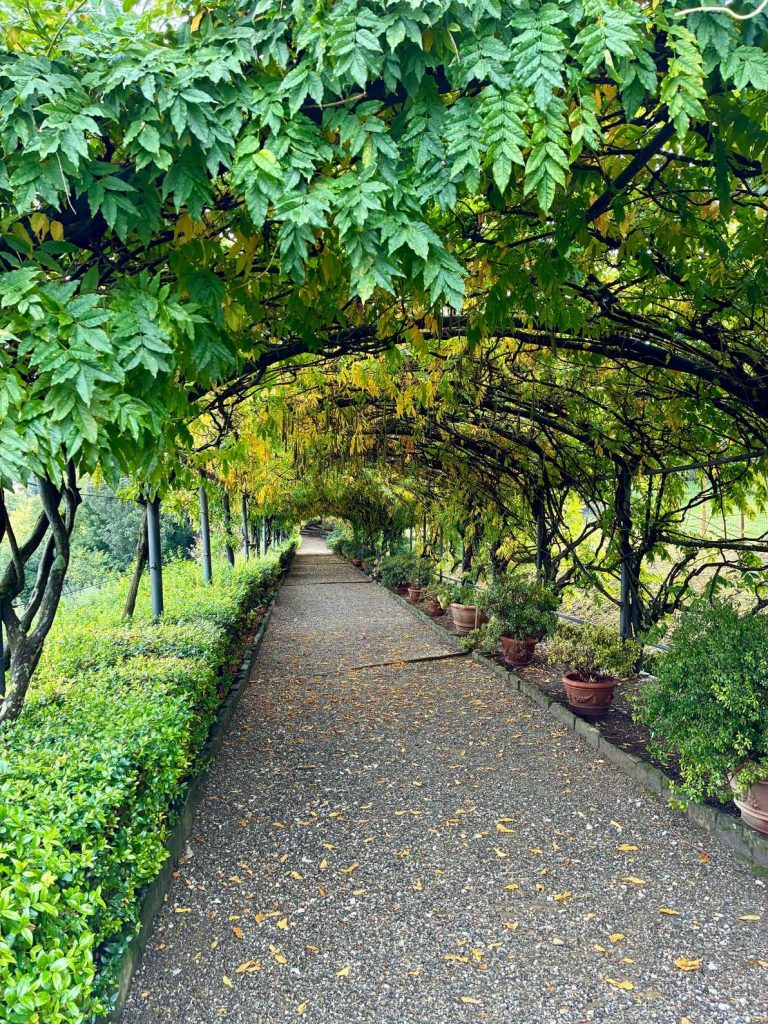
Unlike the formal grandeur of Boboli, Bardini feels improvisational, almost conversational. Renaissance geometry yields to Romantic looseness. In spring, wisteria steals the scene; in summer, the gardens offer shade and seclusion. Even in winter, the terraces and walls carry contemplative beauty. Part villa, part garden, part belvedere, Bardini rewards curiosity over checklist tourism. It’s the garden Florence keeps for itself—and the one you’ll carry in memory long after the crowds below blur into abstraction.
villabardini.it/en/an-enchanted-garden
Lessons Learned:
- Lean into vistas: Terraces, sloped gardens and sweeping staircases guide movement while showcasing city views.
- Create a canopy: A dramatically long pergola comes alive in spring with cascading wisteria, offering dappled shade and connecting hillside pathways.
- Add rhythm and repetition: Stone planters and statuary along pathways and staircases provide visual continuity and order.
Read more of our garden coverage and get the latest on the design lifestyles encompassing Utah. And while you’re here, subscribe and get four issues of Utah Style and Design, your curated guide to the best decor in Utah.